News 2025
Newsliste
-
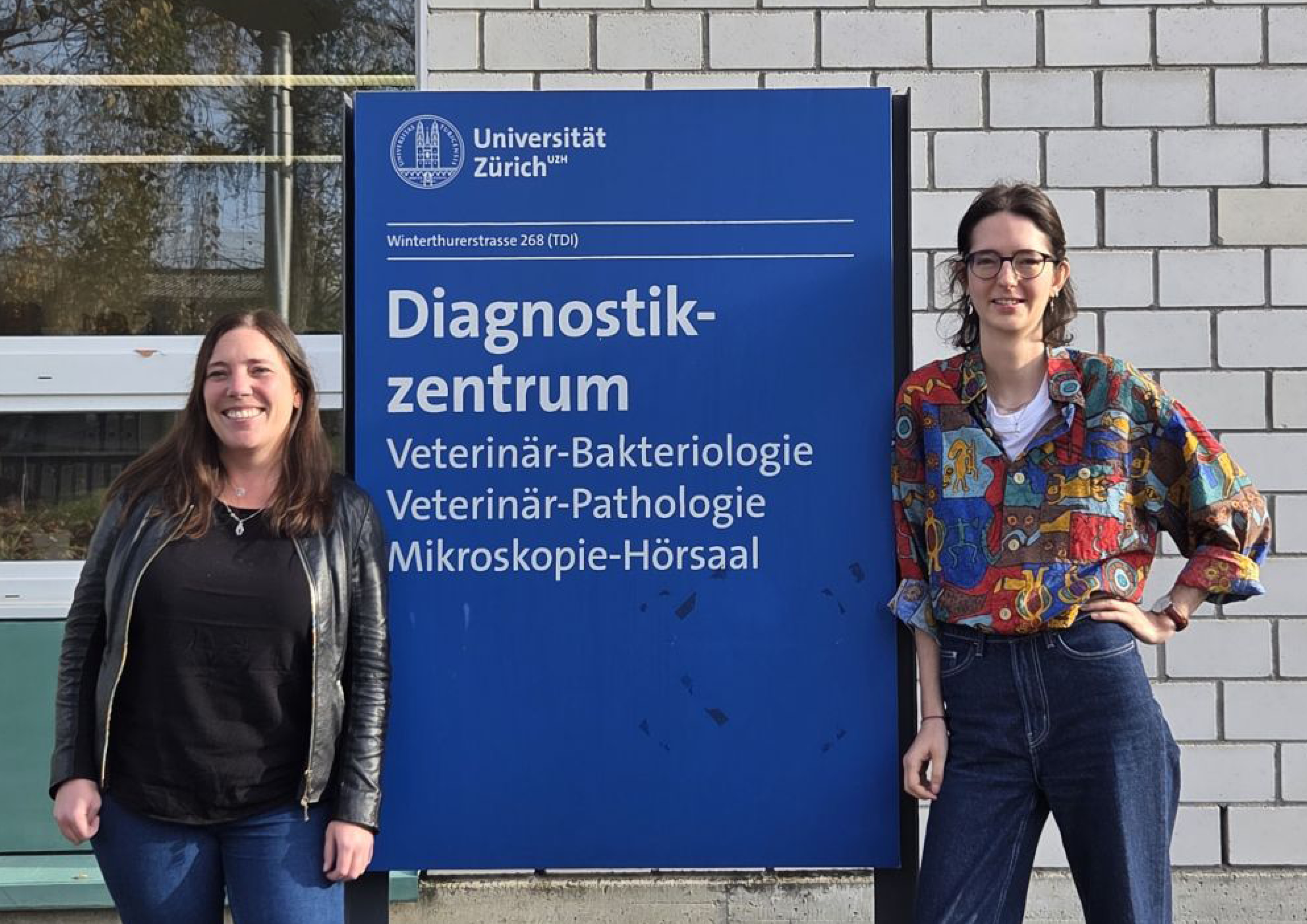
Welcome to the Team: Lena Wiget & Emilia Senn
We’re delighted to welcome Lena Wiget and Emilia Senn to the team. Lena studies the persistence of Chlamydia suis in feces and manure, while Emilia explores veterinary wet collections as reservoirs of zoonotic DNA — bridging microbiology, history, and One Health.
-
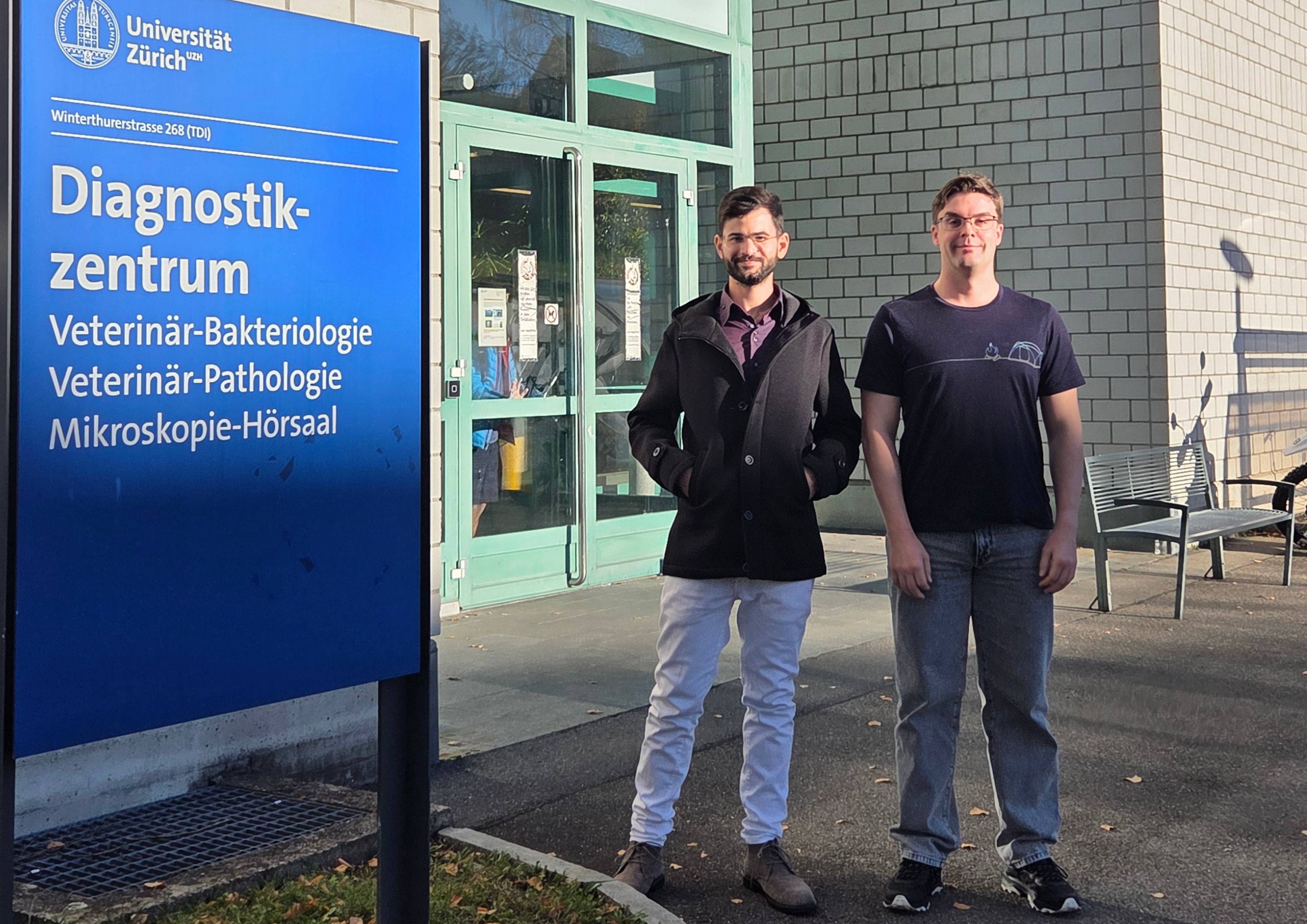
Welcome to ChlamHealth!
We’re pleased to welcome Jeroen Koomen from Wageningen Bioveterinary Research and Francesco Frisenna to our team. Jeroen will collaborate on chlamydial isolation and image analysis, while Francesco contributes to our CT and NG coinfection project. We look forward to their insights and collaboration!
-
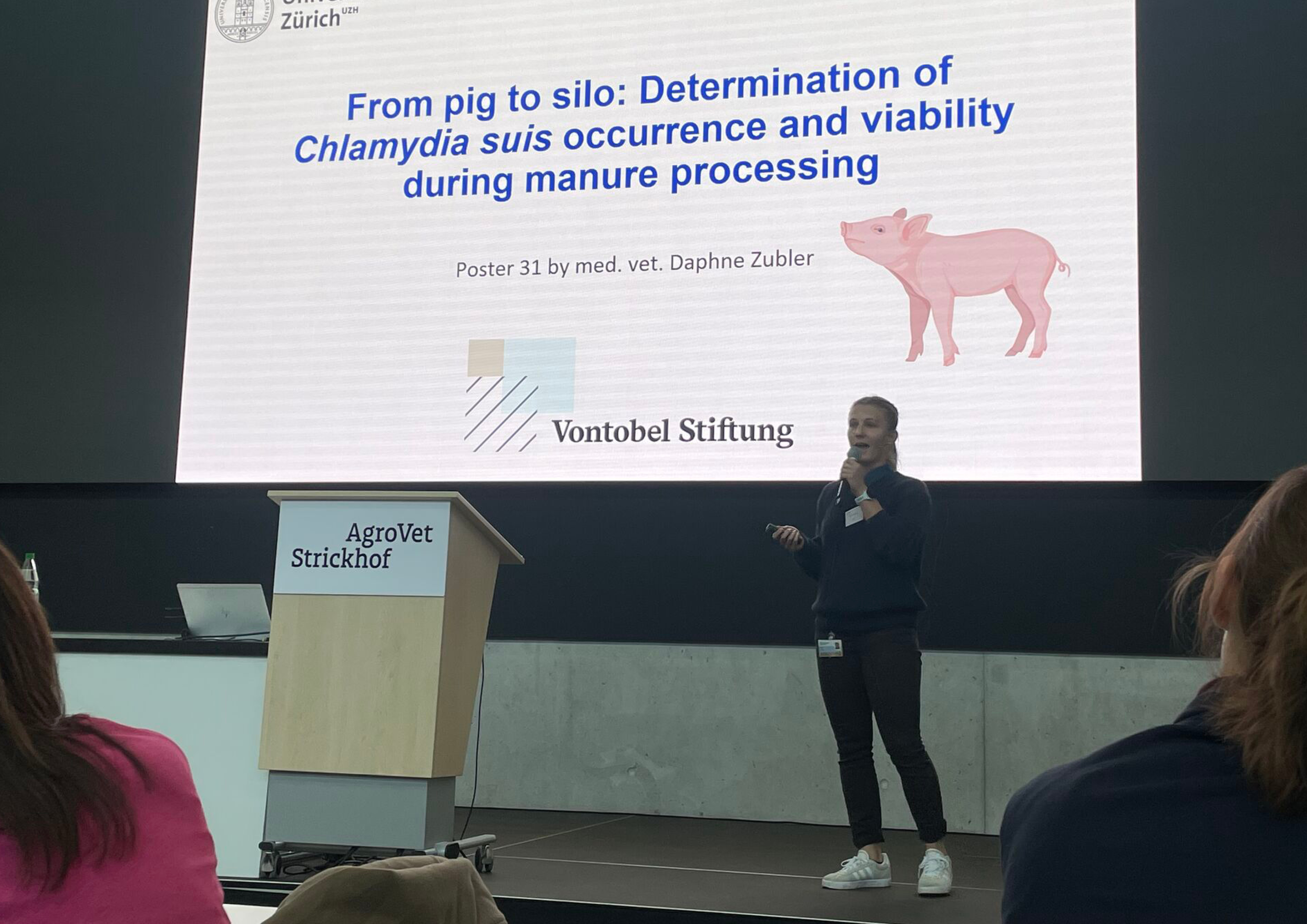
AgroVet Tagung 2025
At this year’s AgroVet meeting, researchers from the AgroVet Strickhof community presented diverse projects. Daphne Zubler shared findings on Chlamydia suis in pig manure, Hanna Marti on Chlamydia abortus in the environment, and Enrique Rayo introduced the AgroVet Strickhof as a One Health platform for antimicrobial resistance research.
-
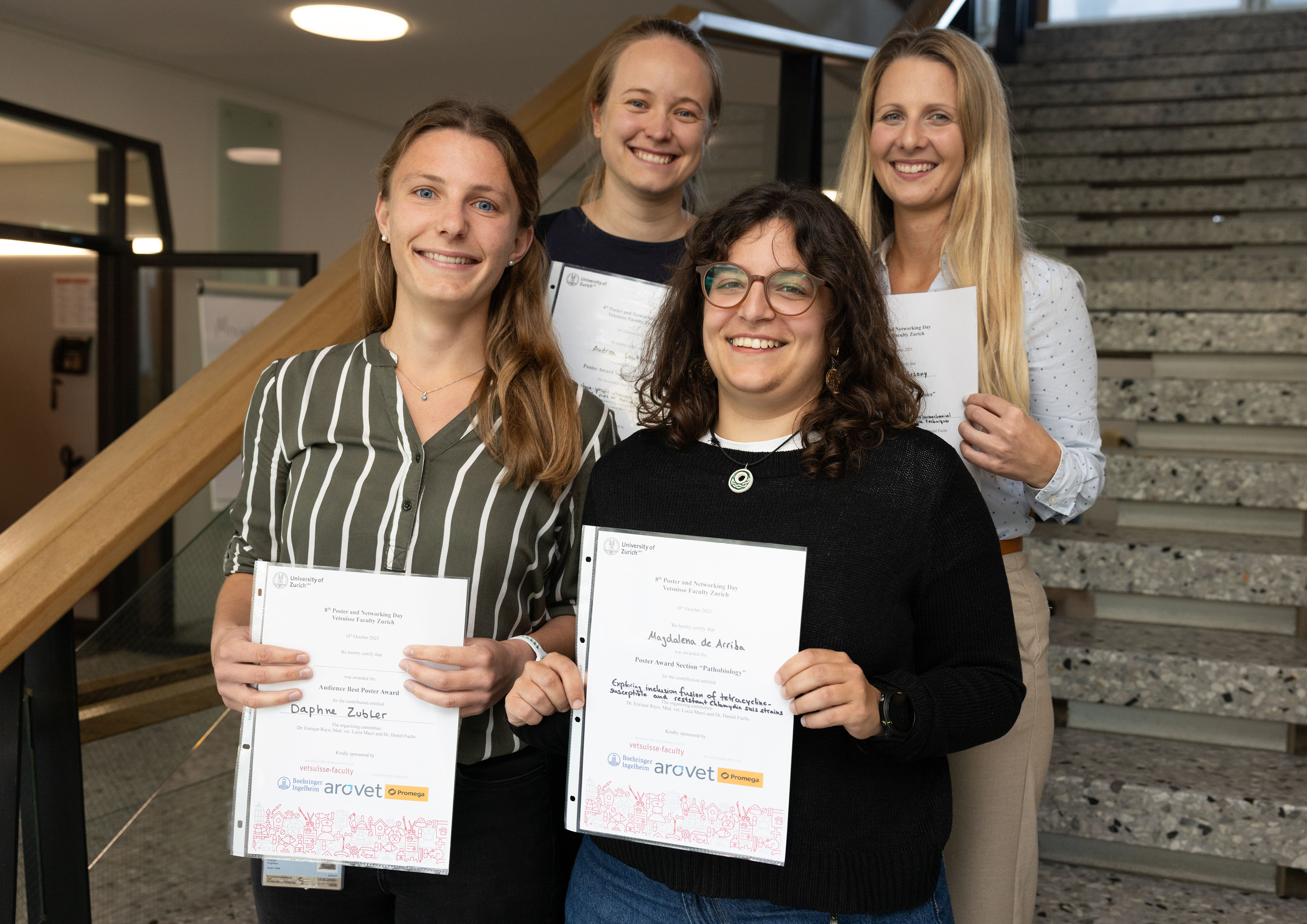
8th Poster and Networking Day 2025 Awards
At the 8th Poster and Networking Day of the Vetsuisse Faculty Zurich, several researchers were honored for outstanding poster presentations. Among them, Daphne Zubler and Magdalena de Arriba Sánchez de la Campa from the Institute of Veterinary Pathology received awards for their innovative research on Chlamydia suis. Congratulations to all winners!
-
New Research Funding Awarded
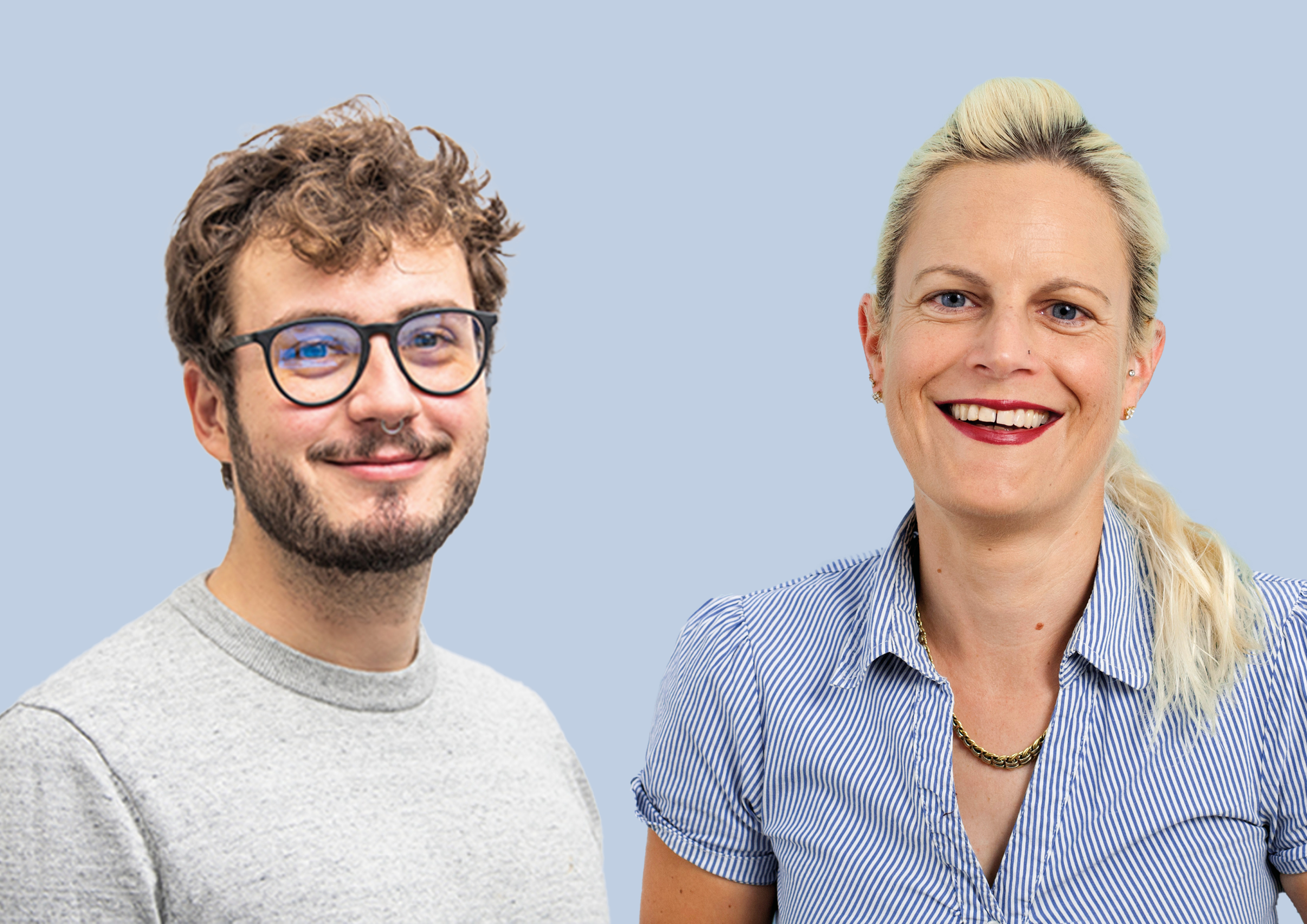
Prof. Nicole Borel and Dr. Enrique Rayo (Chlamydia Group, Institute of Veterinary Pathology, UZH) have received an SNSF grant for their project “Investigating the Rectal Microbiome in Chlamydia and Gonorrhea Infections: A Culturomics Perspective (ChlaGonomics).” The study will deepen understanding of microbiome–STI interactions and antimicrobial resistance, strengthening UZH’s One Health and Public Health research.
-
Welcome Delia Onorini & Dominique Jana Eggenberger
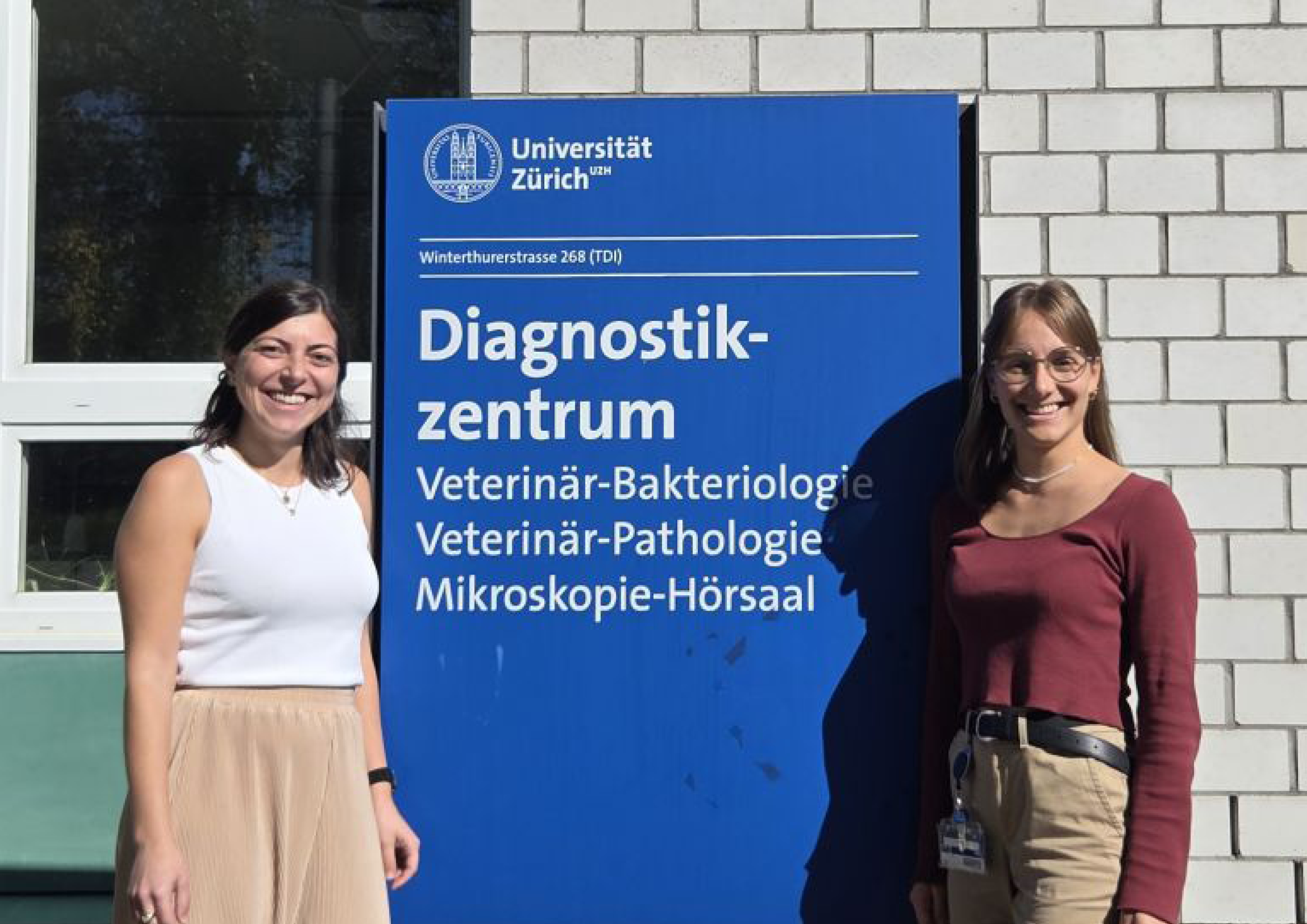
We’re excited to welcome Delia Onorini and Dominique Jana Eggenberger to the team. Delia investigates interactions between Chlamydia trachomatis and Neisseria gonorrhoeae, while Dominique explores how Chlamydia suis may take up and integrate new genetic material. Their work brings fresh insights into bacterial adaptation and evolution.
-
"Infectious Fireworks" wins Art + Science Prize
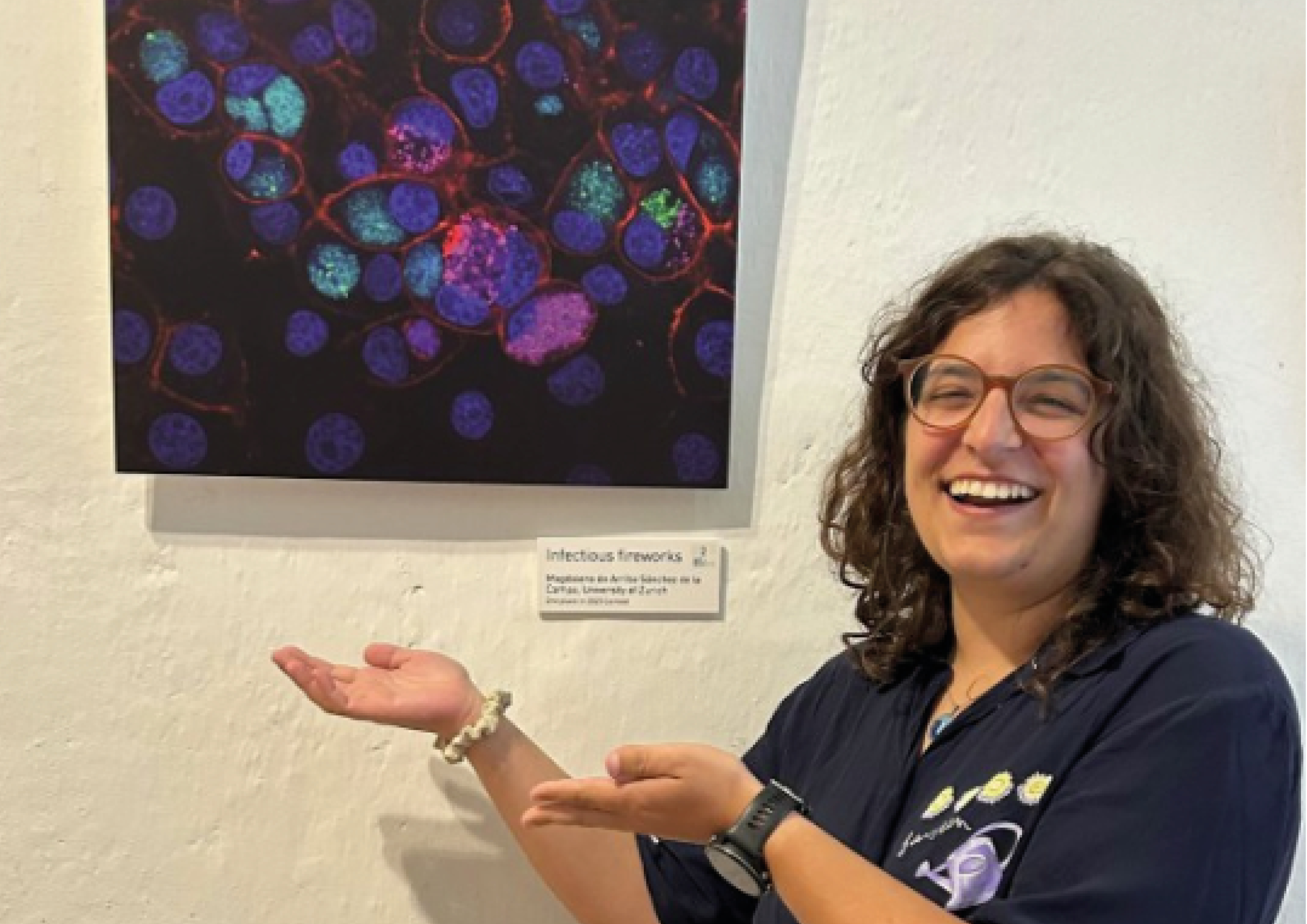
Magdalena de Arriba, PhD student in the Chlamydia research group, received Second Place in Promega’s 2025 Art+Science Contest for her artwork “Infectious Fireworks.” The piece visualizes the interplay between antibiotic-resistant and susceptible Chlamydia suis strains, highlighting the beauty and urgency of antimicrobial resistance research.
-
New Publication in Sexually Transmitted Infections (BMJ)
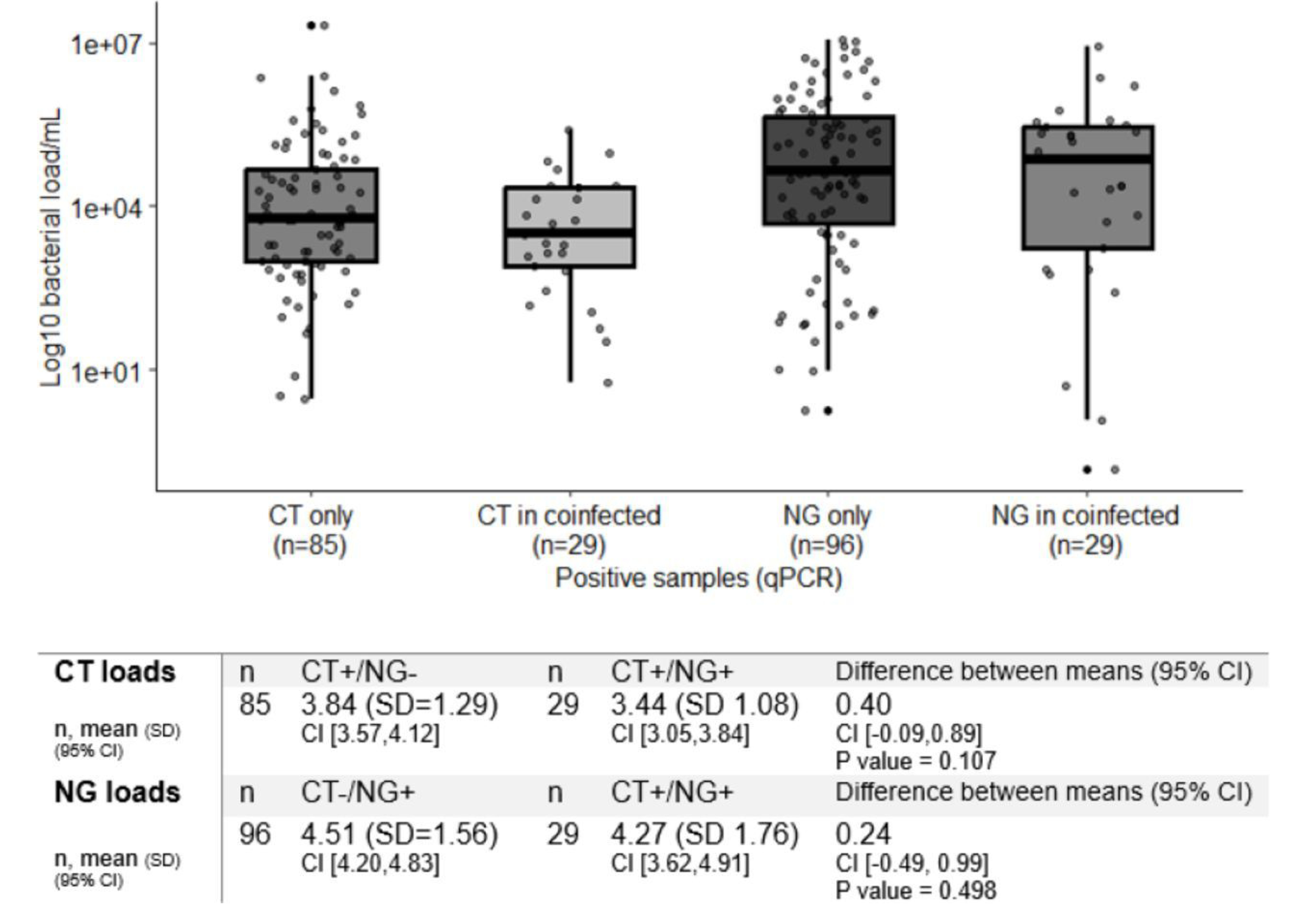
Our latest paper examines Chlamydia trachomatis and Neisseria gonorrhoeae co-infections in men on PrEP. The study found similar bacterial loads in single and co-infections, suggesting symptoms are not reliable indicators of transmission risk.
-
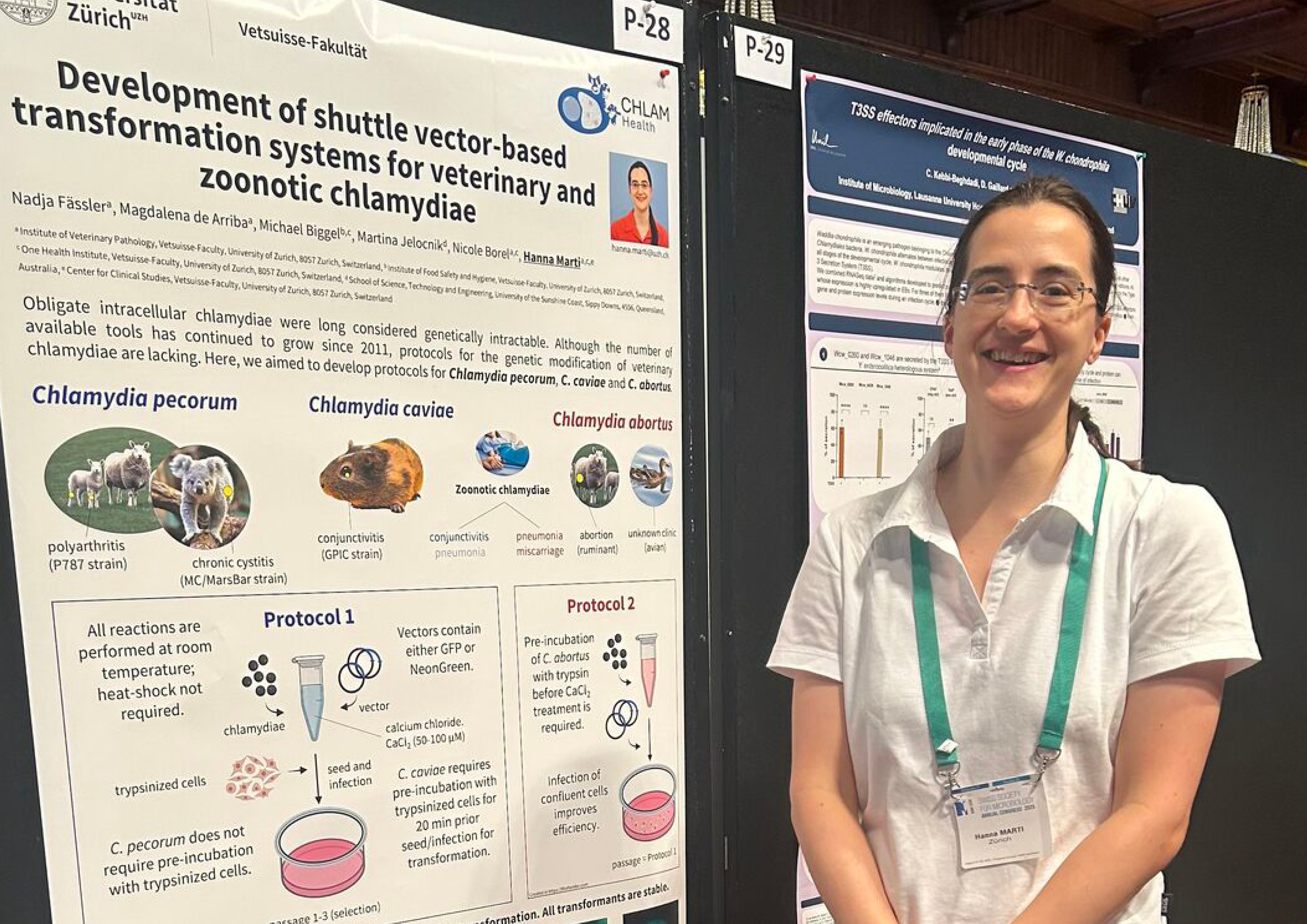
Hanna Marti at the Swiss Society for Microbiology
Hanna Marti presented her poster at the annual Swiss Society for Microbiology meeting in Interlaken — a great setting for exciting scientific discussions.
-
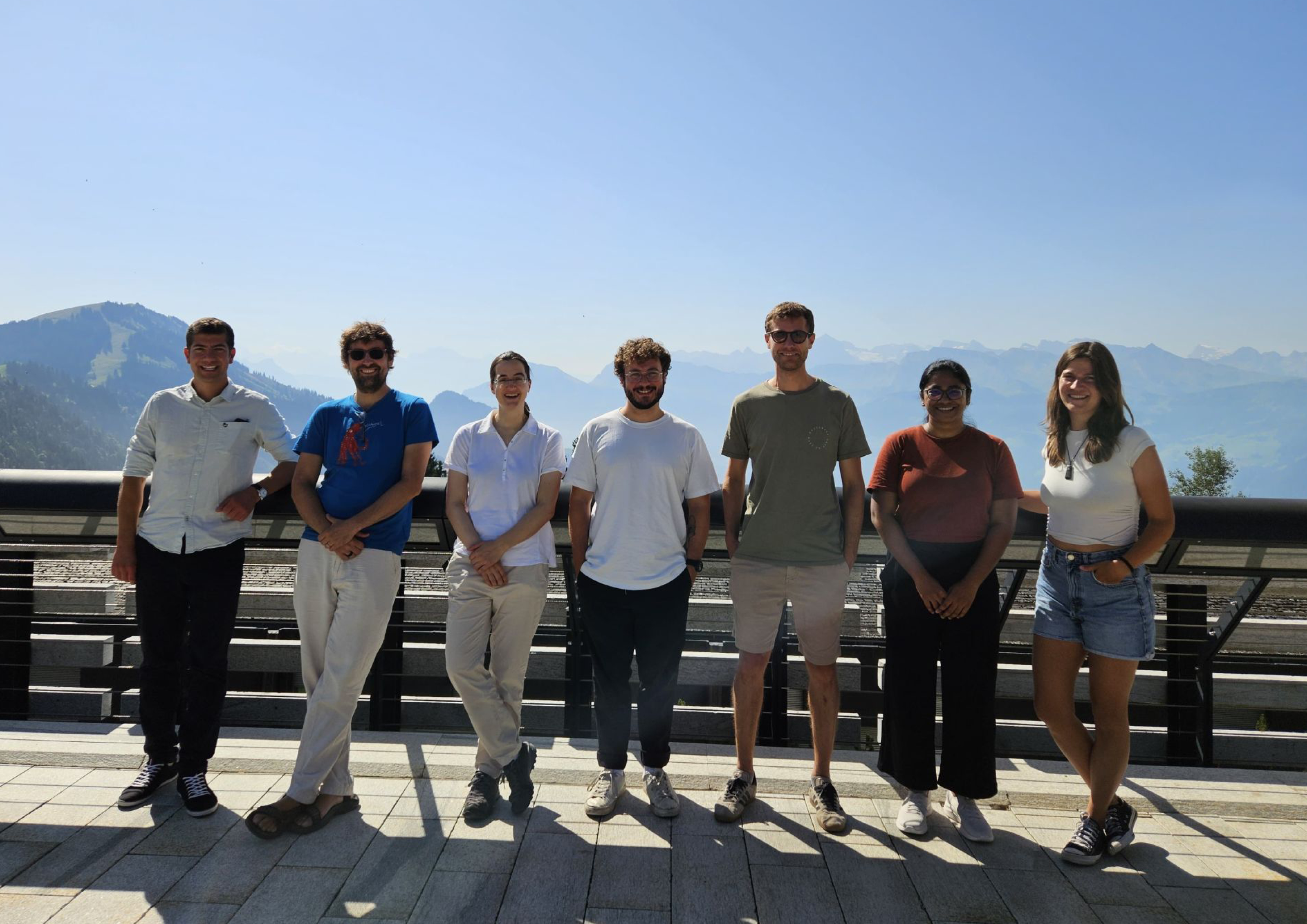
Hanna Marti & Enrique Rayo at Rigi Kaltbad
Hanna Marti and Enrique Rayo met with collaborators at Rigi Kaltbad to discuss ongoing research and future projects. Many thanks to Lara Urban and Giovanni Ghielmetti for the excellent organization — we look forward to continuing this collaboration.
-

ChlamHealth at SYMS 2025
The ChlamHealth Group was well represented at the Swiss Young Microbiologist Symposium 2025, with talks and posters on Chlamydia suis strain diversity, antimicrobial resistance in Neisseria gonorrhoeae, temperature effects on C. abortus, Gardnerella qPCR diagnostics, and co-infection dynamics. A great event full of inspiring discussions and new ideas!
-
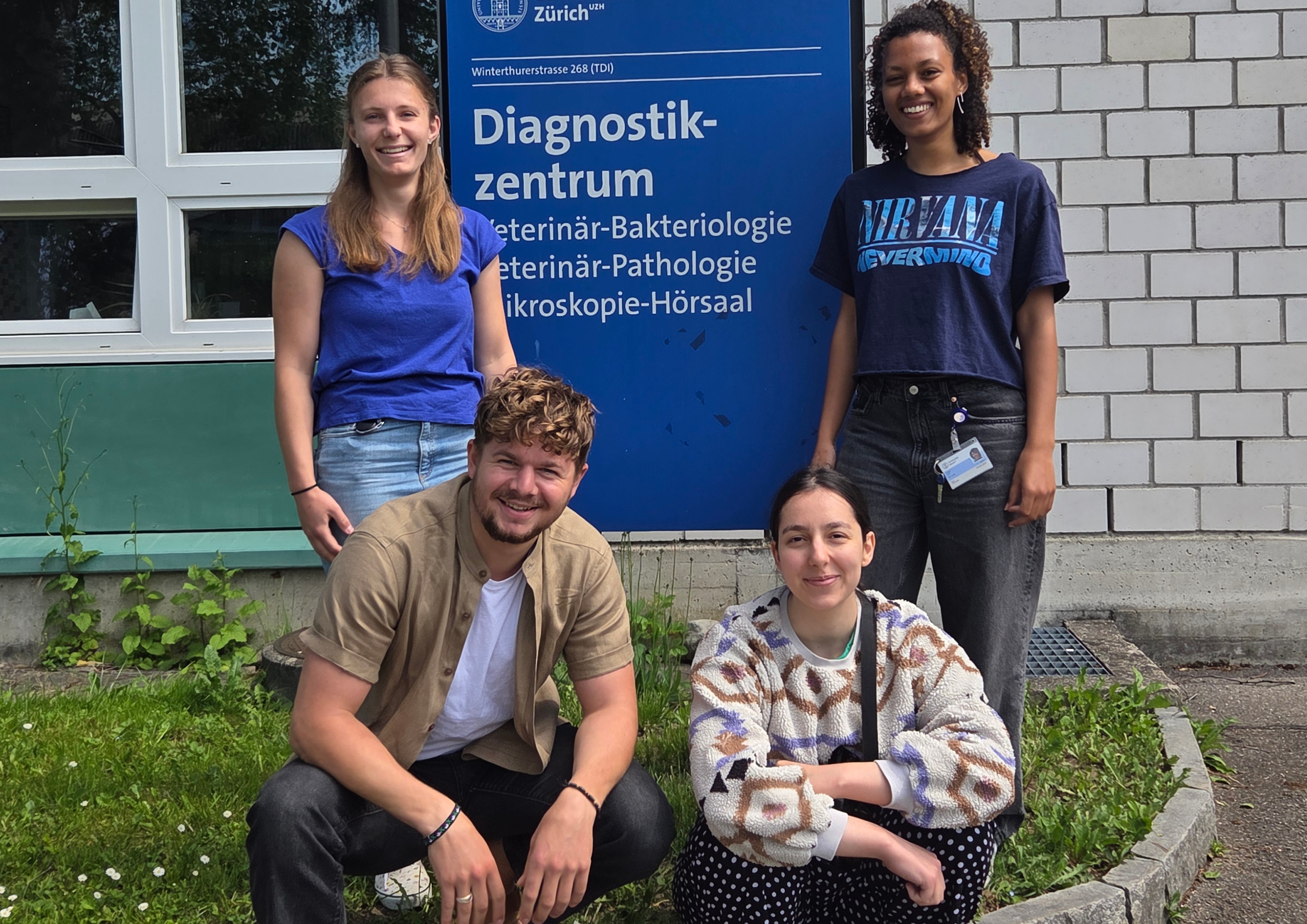
Welcome to Our New Students
We’re happy to welcome four new students to the team. Daphne Zubler begins her PhD on Chlamydia suis detection in pig manure. Julia Gnägi studies Gardnerella vaginalis quantification for improved diagnostics. Amine Aksu investigates C. suis strain diversity using Nanopore sequencing, and Manuel Bänziger explores causes of sudden death in horses. We look forward to their contributions!
-
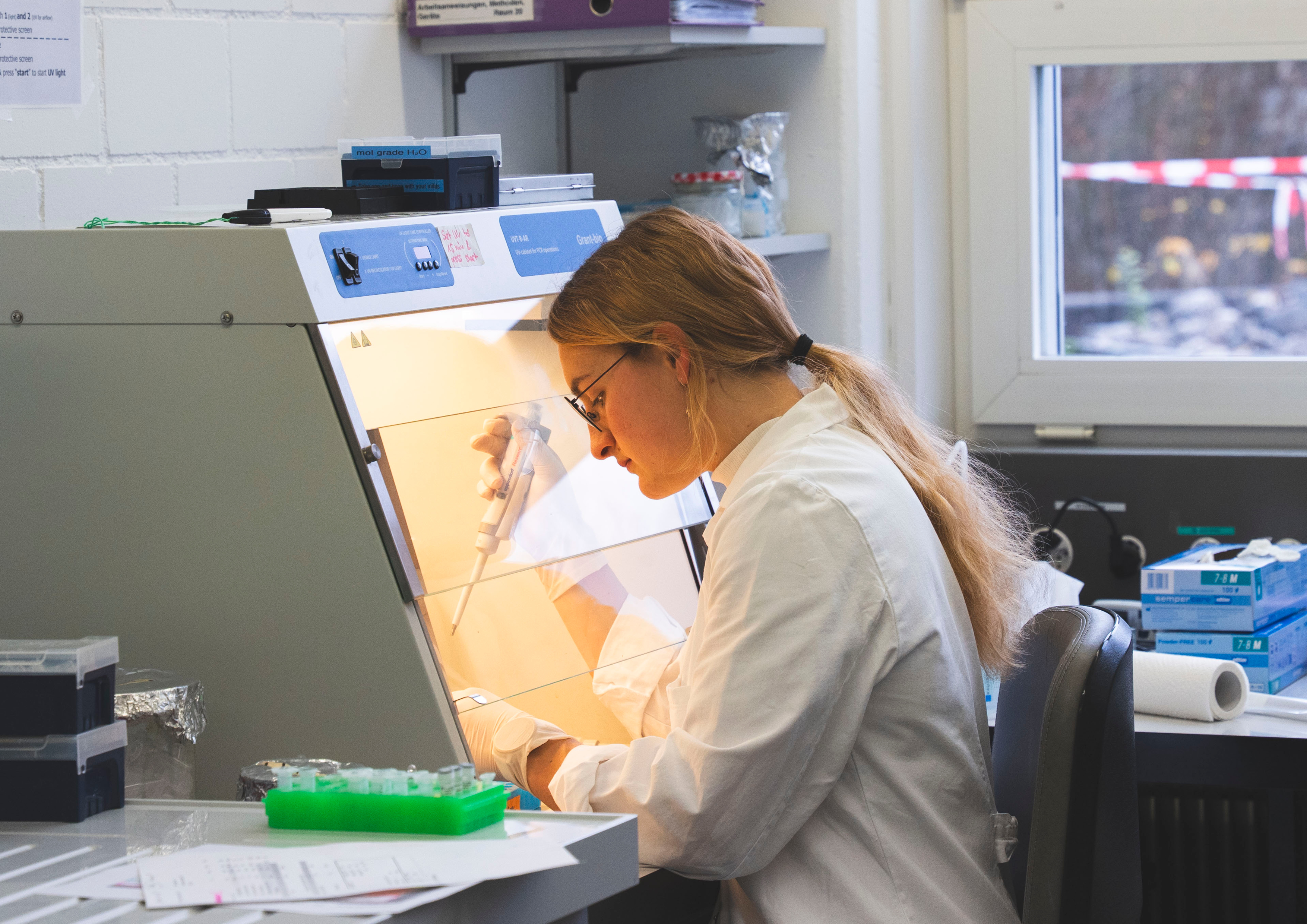
A Day in the ChlamHealth Lab
From transformation experiments to DNA extraction and isolation work, each day in the ChlamHealth lab blends microbiology, molecular biology, and veterinary science to better understand Chlamydia and its impact on animal and public health.
-
Biosafety Update at the Semester Seminar
At the recent semester seminar, Hanna Marti presented updates on biosafety and chemical safety at our institute, including guidelines for handling incidents inside and outside the lab. Special thanks to the UZH “Sicherheit und Umwelt” team for their ongoing support.
-
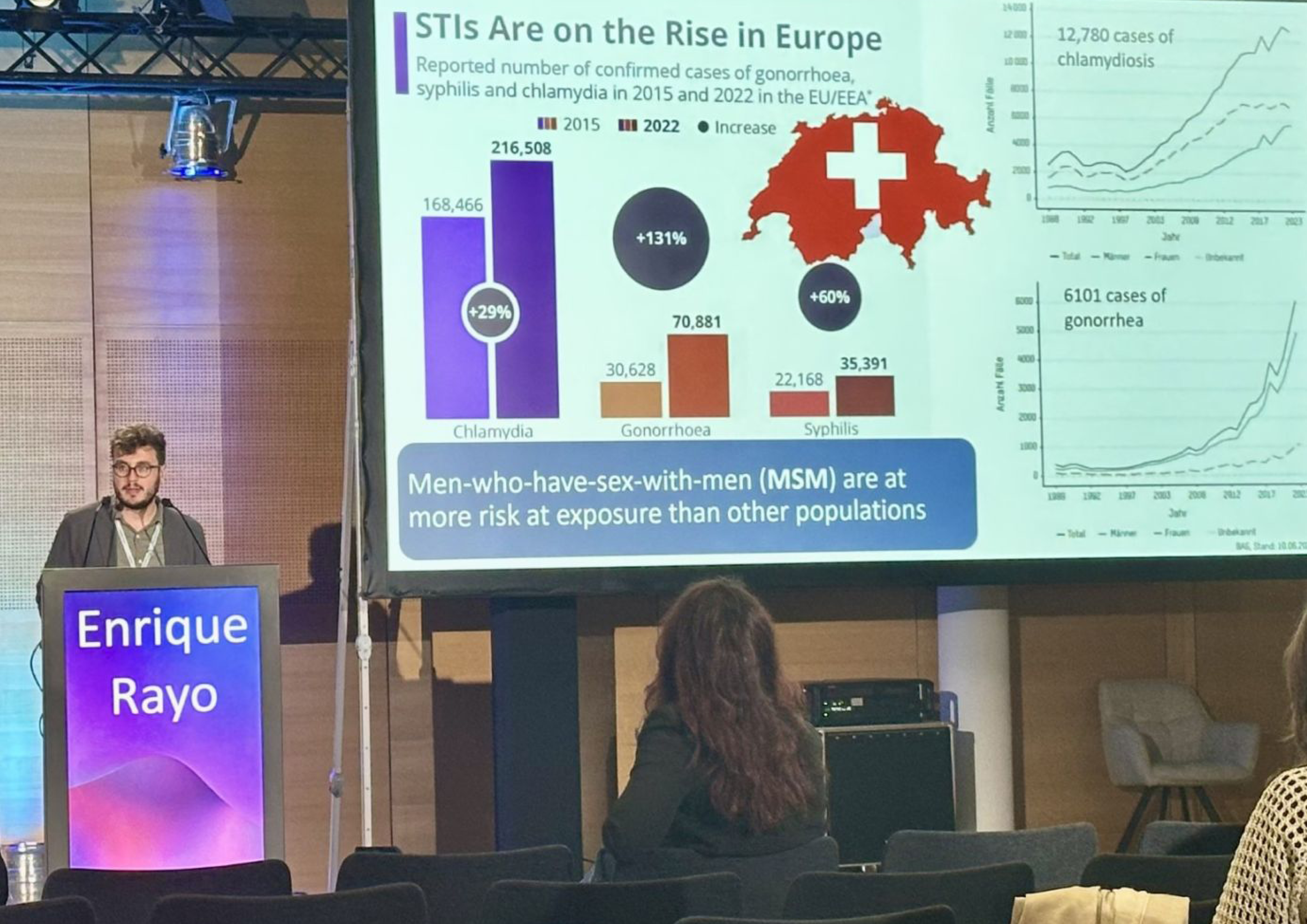
ChlamHealth at ESCMID Global 2025
At ESCMID Global 2025, Efe Altuntaş presented research on Chlamydia abortus survival, and Enrique Rayo spoke about Chlamydia/Gonorrhoea co-infections in MSM. Great discussions, new collaborations, and inspiring exchanges made it an unforgettable week!
-
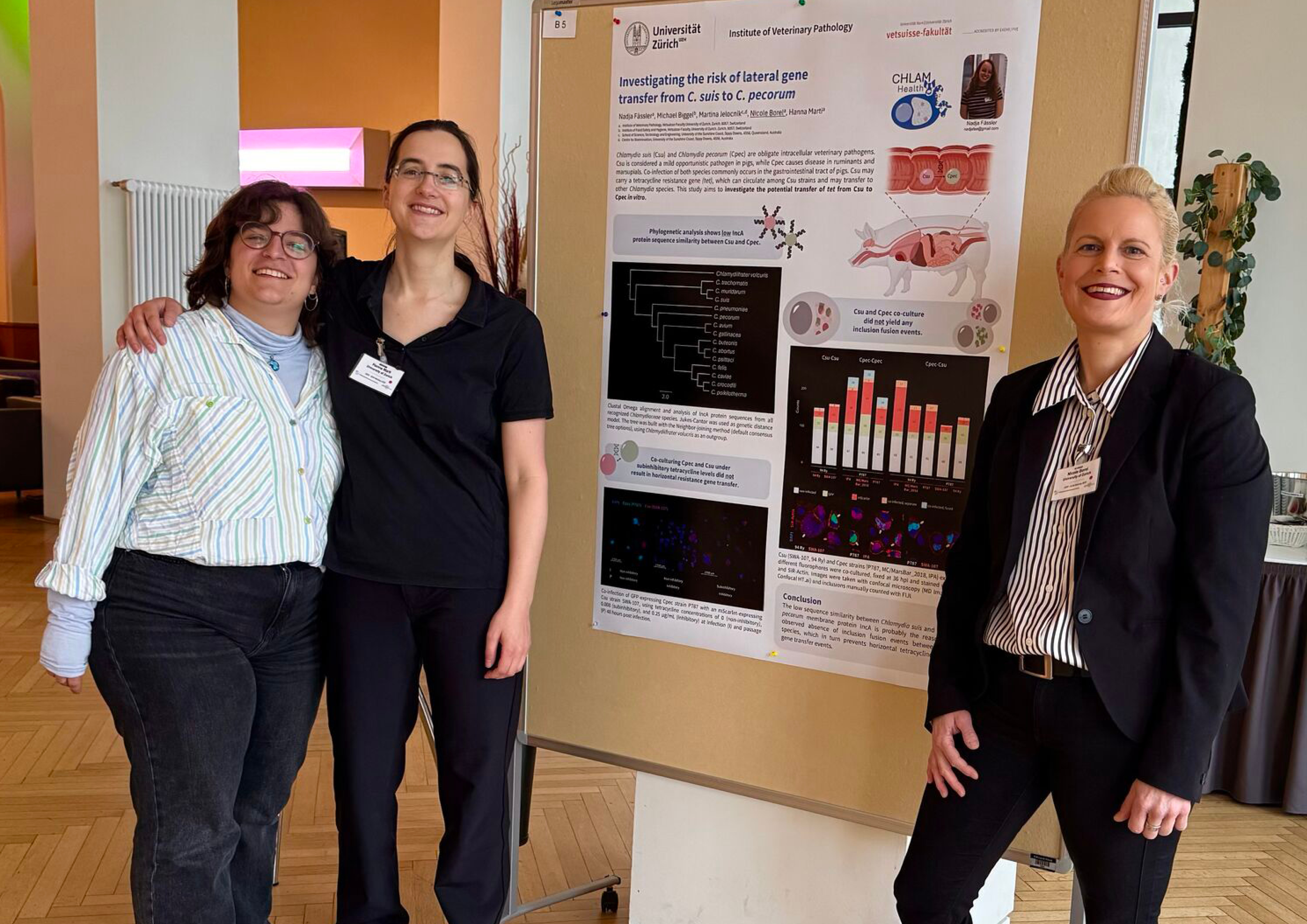
ChlamHealth at the Joint CBRS–DCW Meeting 2025
The ChlamHealth Group joined the Joint CBRS–DCW Meeting 2025 in Berlin, contributing talks and posters and enjoying inspiring discussions with the Chlamydia research community. We returned with new ideas, fresh connections, and plenty of momentum for upcoming projects.
-
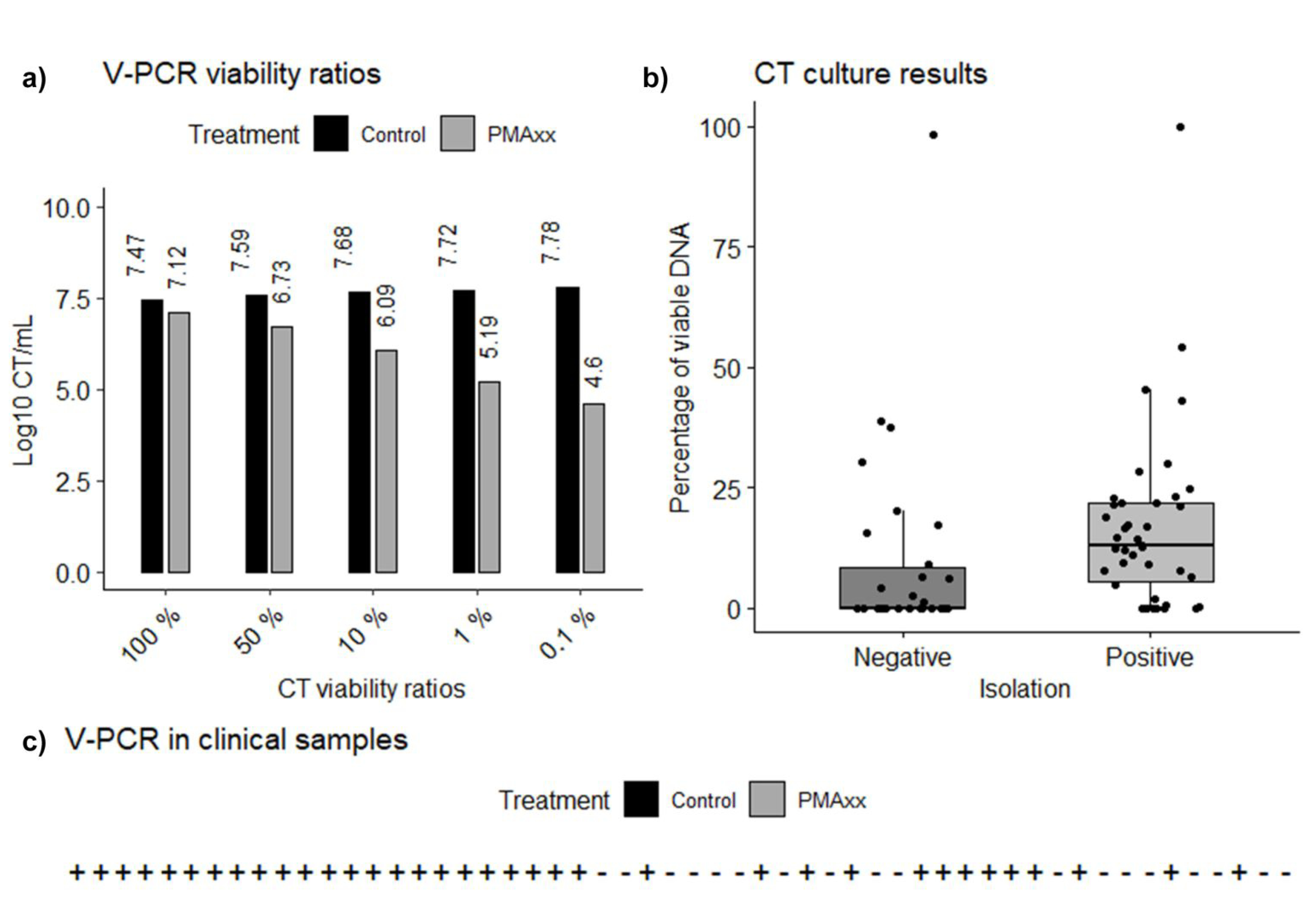
New Viability PCR for Chlamydia trachomatis
We developed a viability PCR (V-PCR) that rapidly distinguishes viable Chlamydia trachomatis from residual DNA in anorectal swabs from MSM. This method improves diagnostic accuracy, supports antimicrobial stewardship, and reduces unnecessary treatments. The full study is available in Clinical Microbiology and Infection (CMI).
-
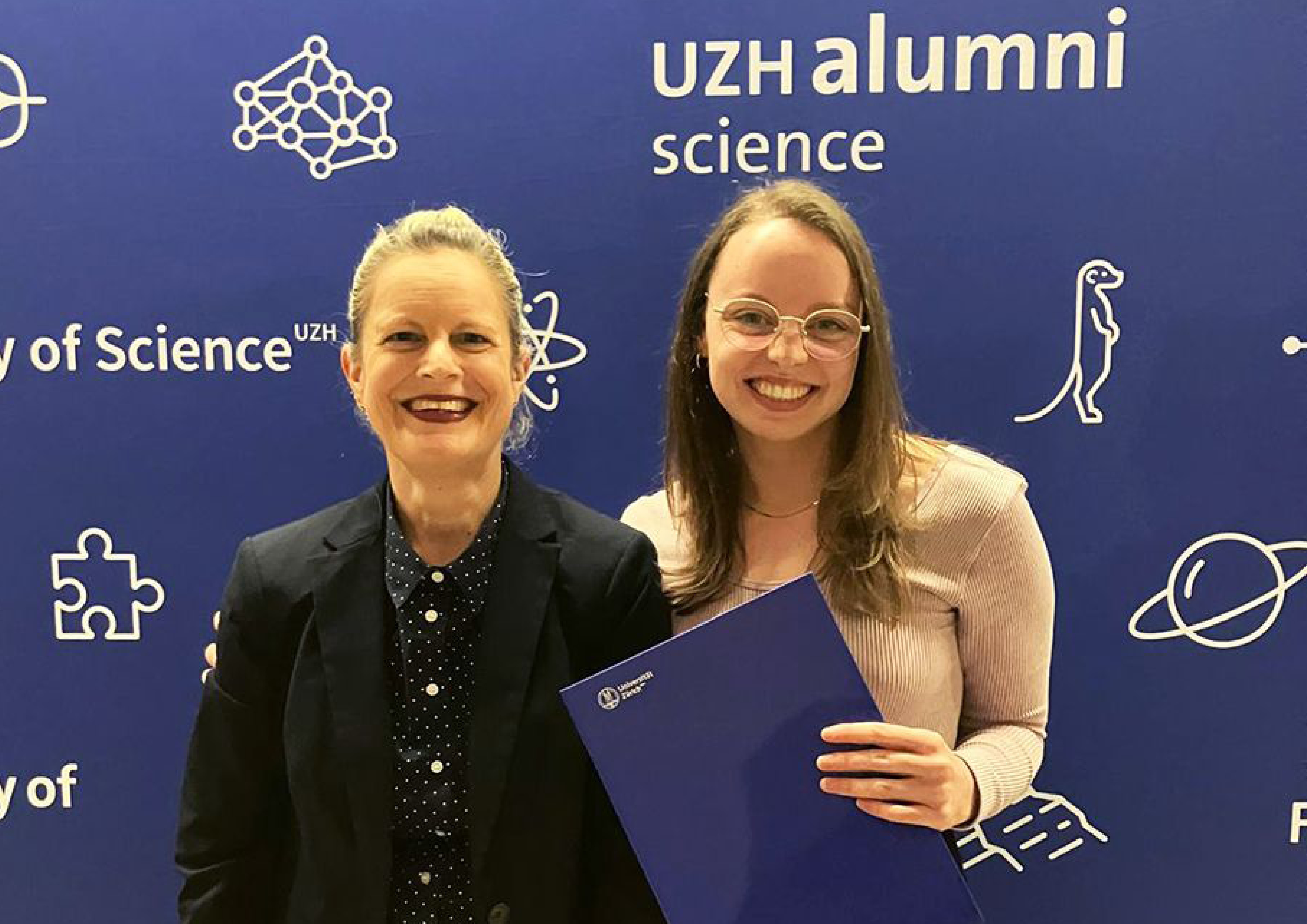
Congratulations, Nadja Fässler!
Congratulations to Nadja Fässler on completing her Master’s degree in Biomedicine at UZH. She received top marks for her thesis “Evaluating the Co-Culture Dynamics of Veterinary Chlamydia Species in Vitro” and was the first to successfully transform Chlamydia pecorum.
-
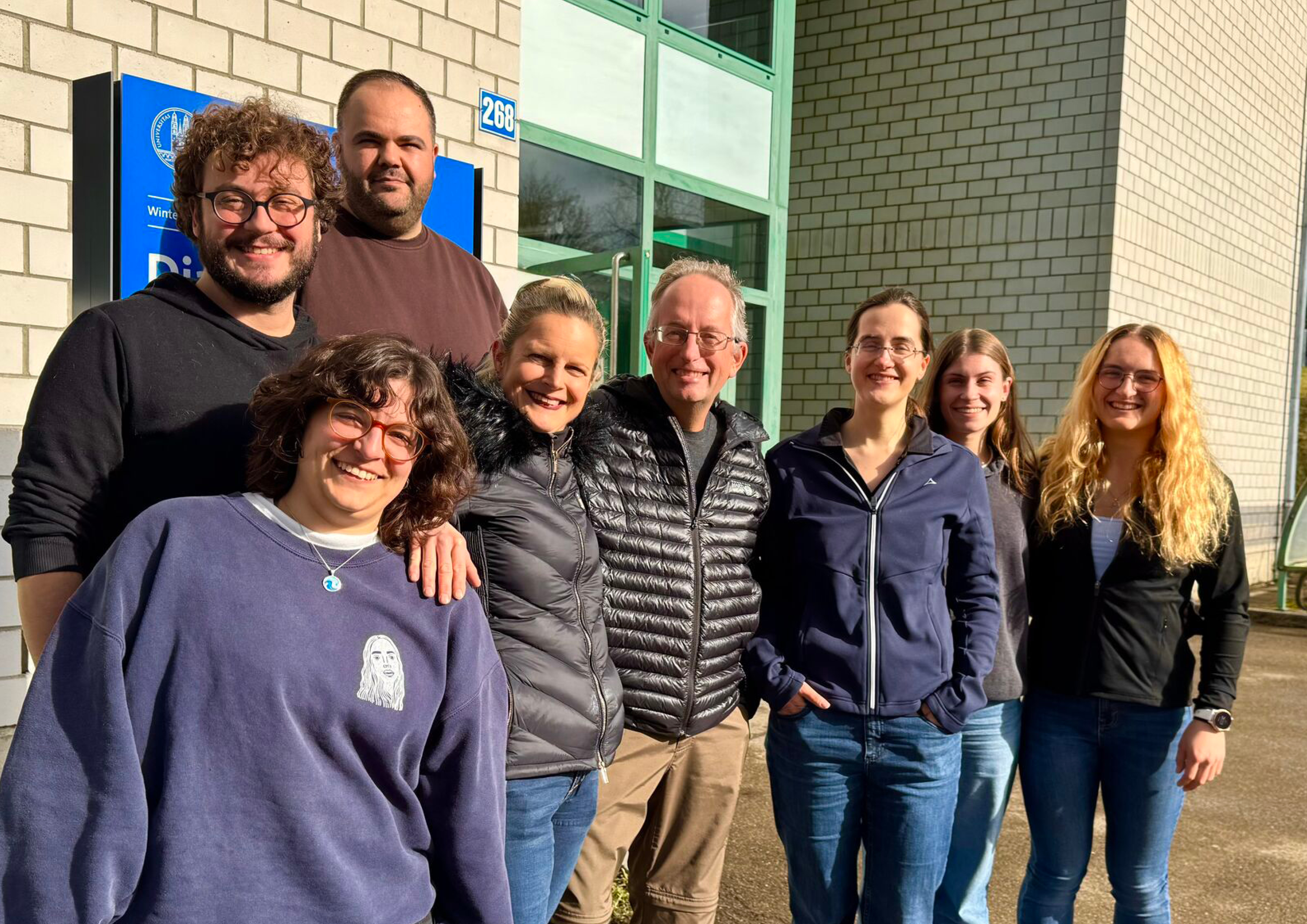
Welcome Dr. Robert Schoborg
Dr. Robert Schoborg is visiting our lab for one month on an SNSF Scientific Exchange grant. He presented his work on Chlamydia trachomatis biology and shared insights from 30 years of academic research with colleagues at the Institute for Veterinary Pathology. It’s a pleasure to have him with us!